
Turning Up the Heat: The Hidden Driver of Chronic Pain
We all know the nursery rhyme: Head, shoulders, knees, and toes. But in the practice, we don’t see them as separate parts; we see a continuous, interconnected system.
Lately, we’re seeing more patients turning up with systemic inflammation. Think of this as a “smouldering fire.” Ever noticed how an old shoulder injury or back pain flares up after a night out with wine or beer, a rich meal or during a high-stress week? That’s systemic inflammation making your most vulnerable areas hurt even more. Your body has no “buffer” left because it’s too busy fighting internal fires to repair your tissues.
The Mechanism: Why the Pain Targets Your Joints
When you consume metabolic stressors, like alcohol, refined sugar, or industrial seed oils, you force your liver and immune system to handle a massive toxic load. This triggers a systemic release of pro-inflammatory cytokines. These markers act like a search-and-destroy team, but they don’t just stay in the gut or liver; they find tissues already in a state of sub-clinical irritation (like that old shoulder injury) and concentrate there, amplifying the pain signal.
The Cellular Cost: Beyond the Joints
Chronic inflammation isn’t just “soreness.” At a cellular level, it is a breakdown of tissue integrity.
- Cardiovascular Damage: Inflammation is the primary driver of arterial damage. It makes the lining of your blood vessels (“endothelium”) sticky and fragile. That cholesterol your body produces? It’s often just a “healing plaster” sent to patch those inflamed, tender arterial walls. The cholesterol isn’t the problem; the inflammation that damaged the wall is. So if you’ve been informed that your cholesterol is ‘high’, I urge you to think about the underlying systemic inflammation before swallowing those statins.
- The Asthma Connection: Systemic inflammation worsens respiratory conditions like asthma by increasing the sensitivity of the airways. When your whole system is “on fire,” your bronchial tubes become hyper-reactive to even minor irritants, leading to increased mucus production and airway constriction.
- Brain Fog and Cognitive Load: Does your brain feel like it’s behind a veil? Chronic inflammation can disrupt the blood-brain barrier, allowing inflammatory markers to affect the brain directly. This leads to “brain fog,” reduced focus, and a feeling of mental fatigue that no amount of coffee can fix.
How to Douse the Fire (The Active Reset)
You don’t just “avoid” inflammation; you actively build a resilient system.
- Feed the Gut-Brain Axis: Your microbiome is the command centre for your immune system. Use can try something like celery and cucumber juices. They are packed with live minerals and enzymes that help flush out metabolic waste. Beyond the foundational advice of celery and cucumber juice, you want to focus on whole-food polyphenols and Omega-3 balance.
Remember, in the Medicine Cabinet philosophy, you aren’t looking for a “miracle pill”. You are looking for the raw materials that allow your body to perform its own repair work.
- The “Golden” Anti-Inflammatories (Spices)
Turmeric + Black Pepper: Turmeric contains curcumin, a potent anti-inflammatory compound, but it is notoriously hard to absorb. Black pepper contains piperine, which increases the bioavailability of curcumin by up to 2000%.
Ginger: Excellent for gut-related inflammation. It acts similarly to natural NSAIDs by inhibiting the COX-2 enzyme pathway, but without the gut-lining damage.
Garlic & Onions: These are rich in organosulfur compounds, which help the liver process toxins and reduce systemic inflammatory markers.
- The Omega-3/Omega-6 Balance
This is the most critical area for systemic inflammation. Most modern diets are drowning in Omega-6s (found in industrial seed oils) and starving for Omega-3s.
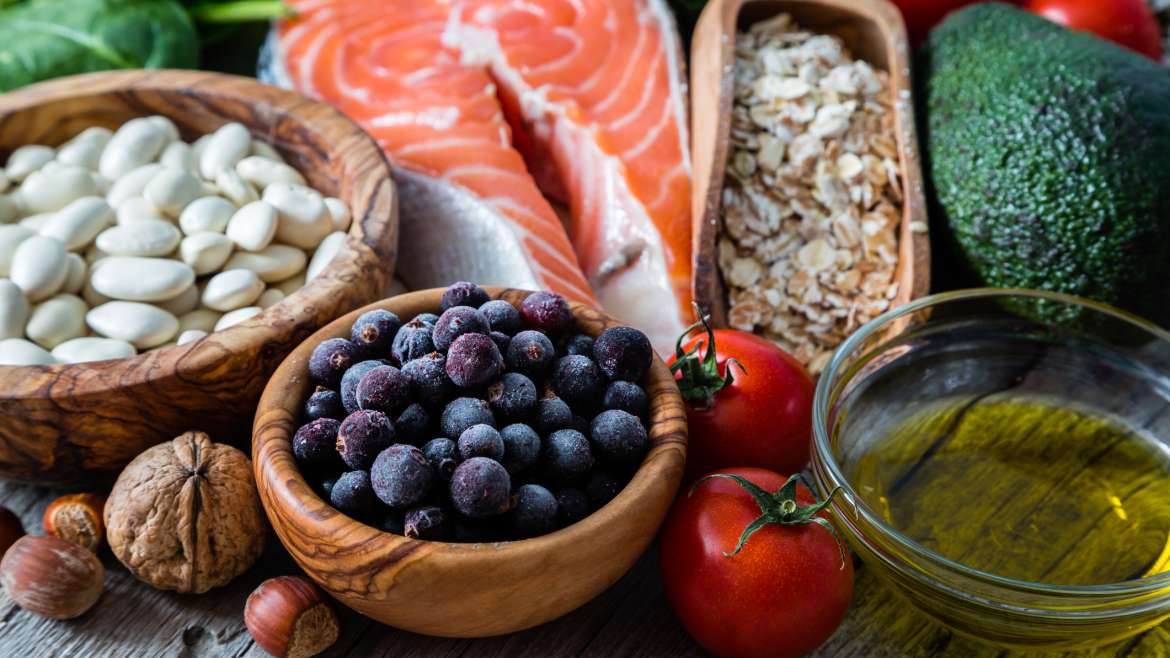
Fatty Fish: Mackerel, sardines, and wild-caught salmon. These are the gold standard for long-chain Omega-3s (EPA/DHA), which directly inhibit the production of inflammatory prostaglandins.
Seeds (The “Medicine Cabinet” Staples): Chia, flax, and hemp seeds are excellent plant-based sources.
The Swap: You cannot “add” enough Omega-3s to fix the problem if you are still consuming seed oils (sunflower, soybean, corn, rapeseed).
The first step is removal of those oils; the second is the addition of Omega-3s.
- The Polyphenol “Rainbow”
Polyphenols are plant defence chemicals that act as antioxidants in your body, neutralising free radicals before they can damage your tissues.
Berries: Blueberries, blackberries, and cherries (specifically tart cherry juice) have been shown to reduce post-exercise muscle soreness and systemic inflammatory markers.
Cruciferous Veg: Broccoli, cauliflower, and kale are rich in sulforaphane, which activates the body’s own antioxidant pathways (the Nrf2 pathway).
Extra Virgin Olive Oil (EVOO): High-quality EVOO contains oleocanthal, a compound that has a biological effect remarkably similar to ibuprofen, providing a natural, systemic anti-inflammatory boost.
- The Power of Pause: Fasting, which we will go into in more detail in next month’s newsletter, gives your gut and immune system a literal “time out” to reset. Meditation isn’t just for the mind, it’s the fastest way to shift from the sympathetic “fight or flight” mode (which keeps inflammation red-lining) into a parasympathetic state where healing actually happens.
- Sunlight as Medicine: It’s one of your strongest anti-inflammatories. It signals your hypothalamus to regulate hormones and triggers your mitochondria to produce energy (photobiomodulation), lowering your internal stress load.
A Note on NSAIDs
I don’t love suggesting medicines, but sometimes the fire is too hot to handle alone. If you need a push, NSAIDs can help, but only if used as a proper, time-bound course. The mistake I see is people treating them like “take-when-it-hurts” painkillers. If you’re going to use them, follow the course, support your gut, and get off them as soon as the fire is under control.
The “Stubborn” Reality
If you have a stubborn injury, like a thick ligament (eg your medial collateral ligament) be patient. These tissues have a slower blood supply. They take time. Consistency with your treatment and your rehab isn’t optional, it’s the only way to realign that tissue properly.
Ultimately, your body is your medicine cabinet, but you have to stop sabotaging the pharmacy, stop fuelling the fire, and start giving your system the raw materials it needs to heal itself from the inside out. And remember, you cannot supplement your way out of a bad diet.
Stop masking the fire. Let’s get to the root of it.
Ready to stop the cycle and build a resilient body? Tap the link below to book your assessment.
As mentioned above, our next Your Body is Your Medicine Cabinet is all about what happens when we FAST
